 1234 Remodel Street, Dallas, TX 75001
  +1 845 744 3736
  info@cabinets.com
  Mon–Fri, 9:00 AM – 6:00 PM Saturday: By Appointment Only Sunday: Closed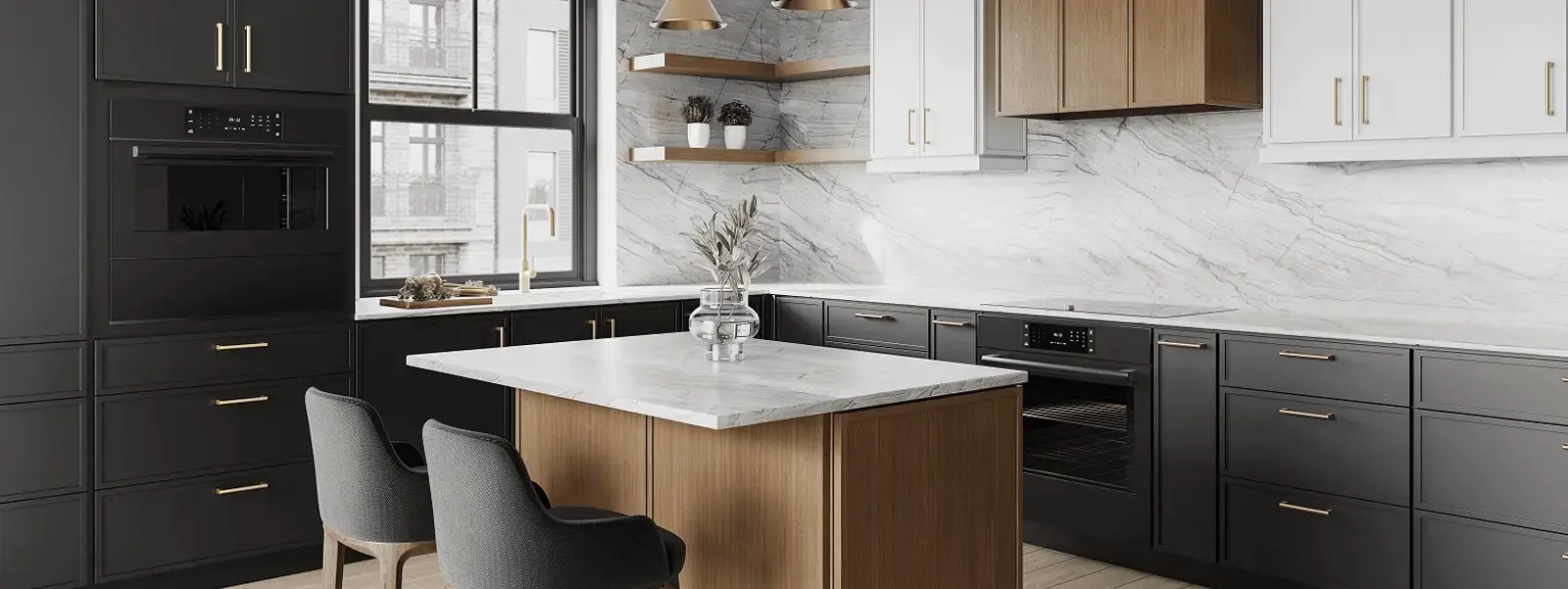
Kitchen design today is no longer limited to physical showrooms or in-house designers. Across the United States, homeowners, contractors, cabinet dealers, eCommerce sellers, and showroom owners are increasingly choosing freelance kitchen design services for flexibility, speed, and professional accuracy.
With the rise of freelance virtual kitchen design services and advanced freelance 3D kitchen design, it is now possible to plan, visualize, and finalize complete kitchen layouts remotely—without compromising quality or precision. Whether you sell cabinets online, manage a showroom, or plan residential remodels, freelance kitchen designers provide scalable, brand-neutral design support.
The Industry Shift Toward Digital-First Growth
The U.S. kitchen and bath industry remains one of the strongest segments within home improvement. Remodeling activity continues to outperform many other categories, driven by aging homes, changing lifestyles, and homeowners choosing to renovate rather than relocate. Industry research consistently shows that kitchens and bathrooms are among the most renovated spaces, and project planning timelines are getting longer as buyers research more before making decisions.
This shift favors businesses that engage customers early—online—rather than relying on walk-in showroom traffic. Digital-first brands meet potential clients during the research phase, long before they are ready to visit a physical location. That early engagement builds trust and positions the business as a guide, not just a seller.
Why a Showroom Is No Longer Required for Credibility
For decades, showrooms were the primary way to establish trust. Customers needed to see products in person to feel confident. Today, trust is built differently. Clear communication, realistic visuals, transparent processes, and professional presentation matter more than physical displays.
Virtual design tools, high-quality 3D visuals, and structured consultations allow businesses to present ideas more effectively than static showroom setups. Instead of showing a few cabinet displays, companies can present a personalized layout designed specifically for the client’s space. This approach feels more relevant and often more convincing.
Operating without a showroom also removes geographic limitations. Businesses can serve clients across cities or states instead of relying on local foot traffic, opening the door to consistent, scalable growth.
Virtual Kitchen and Bath Design as a Growth Engine
One of the most powerful tools for showroom-free growth is virtual kitchen and bath design. Digital design services allow businesses to guide clients through planning, layout, and material selection remotely while maintaining accuracy and professionalism.
Virtual design typically begins with measurements, photos, and project details shared by the client. Designers then create layouts that consider workflow, storage, and real-world installation needs. Design reviews happen through video calls or shared previews, and final deliverables include layouts, elevations, and realistic 3D visuals.
This process benefits both businesses and clients. Customers gain clarity and confidence, while businesses reduce time spent on revisions and misunderstandings. Virtual design also becomes a revenue-generating service instead of an overhead cost.
Virtual Kitchen and Bath Design as a Growth Engine
One of the most powerful tools for showroom-free growth is virtual kitchen and bath design. Digital design services allow businesses to guide clients through planning, layout, and material selection remotely while maintaining accuracy and professionalism.
Virtual design typically begins with measurements, photos, and project details shared by the client. Designers then create layouts that consider workflow, storage, and real-world installation needs. Design reviews happen through video calls or shared previews, and final deliverables include layouts, elevations, and realistic 3D visuals.
This process benefits both businesses and clients. Customers gain clarity and confidence, while businesses reduce time spent on revisions and misunderstandings. Virtual design also becomes a revenue-generating service instead of an overhead cost.
